

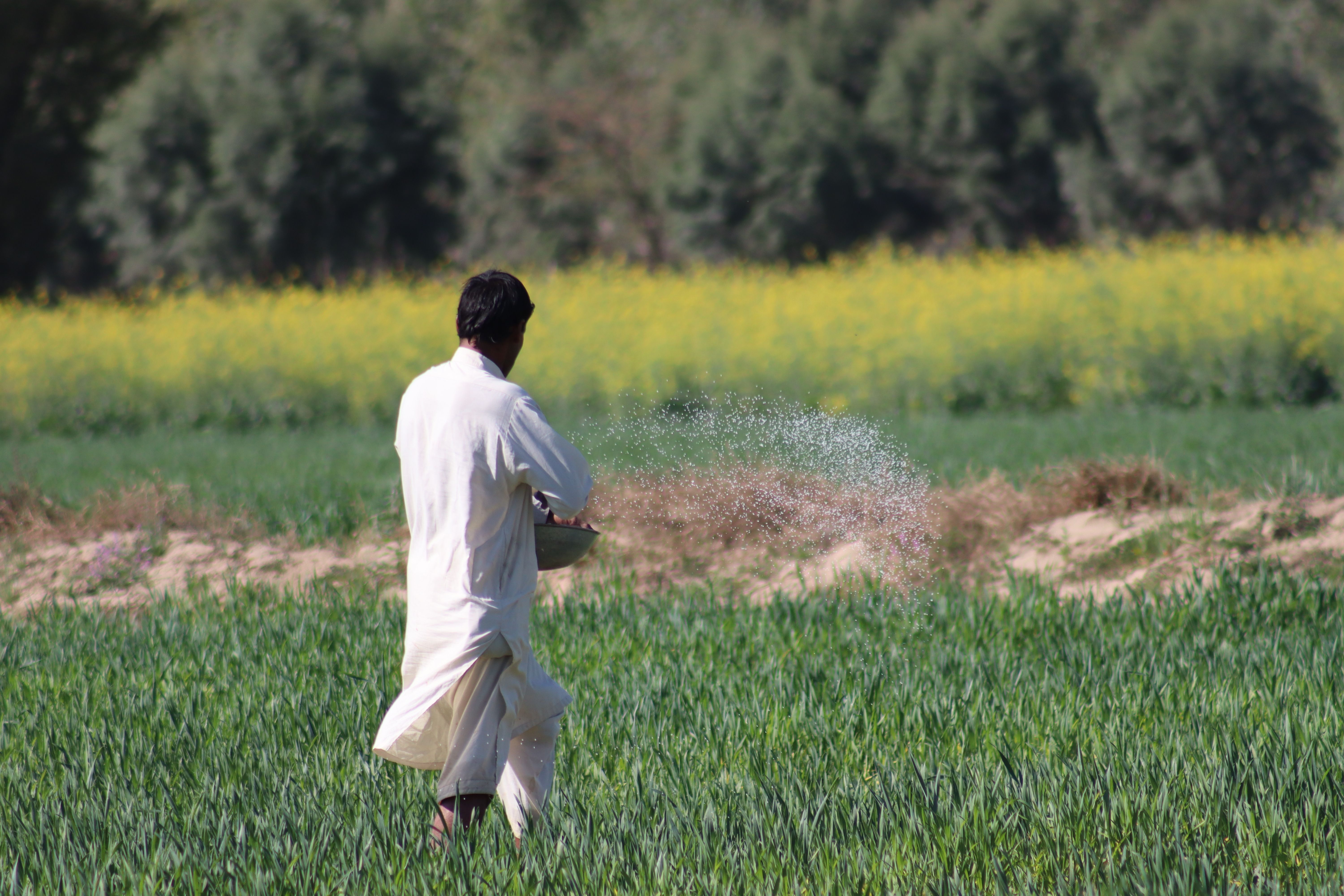
If you want to build a business around that trust, the IFFCO fertilizer dealership is one of the best-known routes into India’s agri-input sector.
(Dealer terms, investment figures, and eligibility rules change by state and by season. Treat the numbers below as indicative and confirm them with IFFCO’s official marketing office before you commit money.)
Every harvest starts with a decision made months earlier: which seed, which soil treatment, which nutrients. Behind that decision is a local input shop that farmers trust. If you want to build a business around that trust, the IFFCO fertilizer dealership is one of the best-known routes into India’s agri-input sector.
This guide covers why the business is attractive, how IFFCO works, the dealership models available, the licensing steps, the investment you should plan for, and answers to common questions.
India’s Agriculture Runs on Reliable Inputs
Agriculture supports a large share of India’s population, and fertilizers sit at the center of crop productivity. Nitrogen, phosphorus, potash, and micronutrients decide yield, quality, and farm income. Demand follows the cropping calendar. Kharif and rabi seasons bring predictable peaks, and farmers want a supplier close to their fields, one who stocks genuine products and gives honest advice.
That is why a well-run fertilizer outlet can be a durable rural business. It serves a repeat customer base, ties into a government-supported sector, and can grow into seeds, crop-protection products, and farm services. The key is partnering with a company farmers already know and respect.
IFFCO: A Fertilizer Company Built by Farmers
The IFFCO fertilizer company in India has a distinctive profile. The Indian Farmers Fertiliser Cooperative Limited was founded in 1967 and is owned by cooperative societies, which means its roots lie with the farming community rather than a purely commercial shareholder base. It operates manufacturing units at locations including Kalol, Kandla, Phulpur, Aonla, and Paradeep, and it supplies products through a very large network of cooperative societies and retail points.
IFFCO’s portfolio goes beyond conventional urea and DAP. It includes complex fertilizers such as NPK grades, water-soluble products, bio-fertilizers, and Nano Urea, a liquid formulation designed to reduce bulk handling and support more efficient nutrient use. For dealers, a recognised brand with a broad product range simplifies the sales conversation. Farmers already ask for the name.
Why the IFFCO Fertilizer Business Opportunity Is Attractive
The IFFCO fertilizer business opportunity appeals to different kinds of entrepreneurs for several reasons:
Brand trust. Farmers recognise IFFCO products, which shortens the time it takes to build a customer base.
Repeat demand. Crops need nutrients every season, so customers return.
Product breadth. Conventional, complex, water-soluble, bio, and nano products let you serve many crop types.
Rural reach. Villages and small towns often have limited quality suppliers, leaving room for a dependable outlet.
Scalable model. You can start with a retail counter and expand toward wholesale or add related agri-inputs where regulations permit.
Community role. A good dealer becomes an advisor, which builds goodwill beyond the sale.
Understanding the Different Models
People use many terms for this business, and they overlap. Here is a practical way to separate them.
Retail Dealership
A retail dealer sells directly to farmers from a shop. This is the most common starting point for a first-time entrepreneur. The IFFCO fertilizer dealership in India at retail level typically needs a retail licence, a storage space, and enough working capital to hold stock through the season.
Wholesale or Distributorship
A distributor supplies other retailers in bulk. The IFFCO fertilizer distributorship model generally demands more capital, larger storage, stronger logistics, and a network of retail relationships. A wholesale or combined licence is usually needed.

Franchise-Style Outlets
Many people search for an IFFCO fertilizer franchise in India. It is worth being precise here. In fertilizers, the standard structure is generally licensed dealers and cooperative or authorised sales points rather than a classic franchise with branding fees and royalties. If someone offers you a “franchise” with a large upfront fee, verify it carefully through official channels. We return to this in the section on fraud.
Organic and Specialty Products
Demand for organic inputs is rising as farmers and consumers look for soil-friendly practices. An IFFCO organic fertilizer dealership or IFFCO organic fertilizer franchise in India is of interest to dealers who want to add bio-fertilizers, organic manure, and soil conditioners to their counter. Availability, terms, and eligibility depend on IFFCO’s current product programs and your region, so ask the nearest marketing office what is on offer.
Fertilizer and Chemical Segment
Some dealers want to combine fertilizers with crop-protection chemicals. An IFFCO fertilizer and chemical dealership setup involves more than one regulatory regime. Fertilizers fall under the Fertilizer Control Order, while pesticides need a separate licence under the Insecticides Act, and separate rules for storage and sale apply.
Who Can Become a Dealer?
Requirements vary by state and by the company’s own norms, but common expectations include:
A valid fertilizer licence from the state agriculture department.
Suitable premises with safe, dry storage.
Basic qualification or a qualified person as required by your state. Some states ask for an agriculture or science background, while others accept a trained employee.
Financial capacity to buy and hold stock and to manage seasonal cash flow.
A clean record with no history of selling spurious or adulterated products.
Local standing and the willingness to serve farmers honestly.
Fertilizer companies also set their own appointment norms. For example, another public-sector fertilizer company recently invited dealer applications with conditions such as existing state fertilizer sales licence, domicile of the state, e-payment arrangements, and a minimum initial lifting quantity. IFFCO’s own conditions will differ, but you should expect similar categories of requirements: licence, storage, payment systems, and agreed lifting volumes.
Step-by-Step: How to Start
Step 1: Research Your Area
Study the cropping pattern, existing dealers, farmer density, and distance to the nearest IFFCO depot or cooperative society. Choose a location with visible demand and easy access.
Step 2: Get the Fertilizer Licence
Selling fertilizer without a licence is illegal. Guides to the process describe applying to the district or state agriculture office under the Fertilizer Control Order, 1985. Some states now run online systems. In Madhya Pradesh, for instance, applicants use the e-district portal to file the dealer licence application (Form A1) and pay the fee online, while Uttar Pradesh uses Form A1 through the state agriculture portal. Your state’s process, forms, and fees may differ. How to Start a Fertilizer Dealership Business in India - Step by Step Guide +2
Typical documents include identity and address proof, premises ownership or rental papers, a storage plan, qualification proof where required, and photographs.
Step 3: Arrange Premises and Storage
You need a clean, dry, secure space with proper stacking, ventilation, and fire safety. One guide mentions a godown of at least 500 square feet as a common benchmark, though requirements depend on your state and licence type.
Step 4: Contact IFFCO Through Official Channels
Reach out to the nearest IFFCO state marketing office or area office, or through its official website and verified helplines. Ask about current dealer appointment procedures, eligibility, security deposits, credit terms, and the depot or cooperative society you would be attached to.
Step 5: Complete the Agreement and Appointment
If you are selected, expect to sign an agreement that covers pricing, supply points, reporting, and conduct. Dealers are generally required to sell at the prescribed maximum retail price and to draw stock only from the designated source.
Step 6: Set Up, Stock, and Launch
Prepare your counter, signage, stock registers, point-of-sale equipment for e-payments, and display of the licence. Start with fast-moving products suited to the next season, then expand the range based on farmer demand.
What Investment Should You Plan For?
Costs vary widely by state, licence type, and scale. Published guides place startup costs for a small retail dealership in a broad range, with one citing opening stock of ₹2 lakh to ₹10 lakh and another giving a state-specific outlay of roughly ₹3.5 lakh to ₹8 lakh. Wholesale operations cost considerably more.
A realistic budget should include:
Licence fees and documentation. Usually modest compared with other costs.
Security deposit. As required by the company.
Premises and storage. Rent or construction, shelving, pallets, and safety equipment.
Opening stock. The biggest component, and it must carry you through peak season.
Working capital. For credit sales, transport, wages, and slow-moving months.
Compliance and technology. Registers, billing software, and e-payment tools.
Because farmers often buy on seasonal cycles, cash flow management matters as much as the initial investment. Many dealers arrange a business loan or working-capital limit to smooth the gap between buying stock and collecting payments.
Compliance Is the Foundation of the Business
Dealers must follow the Fertilizer Control Order. Sources describing the rules stress ongoing obligations such as avoiding adulterated or mislabelled fertilizer, which can lead to prosecution and loss of the licence. In practice, that means:
Display your licence at the premises.
Sell only genuine, correctly labelled, company-sourced stock.
Maintain accurate stock and sales registers.
Issue proper bills and sell at the approved price.
Store products safely and separately from incompatible materials.
Renew your licence on time and cooperate with inspections.
Compliance protects farmers, protects your licence, and protects the brand you represent.

Beware of Fake Dealership Offers
Because IFFCO is a trusted name, scammers use it. Warning signs include:
Requests for large “registration” or “franchise” fees through personal bank accounts or UPI IDs.
Promises of guaranteed profits or instant approval.
Unofficial email addresses, social media pages, or phone numbers.
Pressure to pay immediately.
Always verify offers through IFFCO’s official website, state marketing offices, or verified contact numbers. Never pay money to an unverified individual, and keep written records of every transaction.
How to Grow a Sustainable Dealership
Building a lasting business takes more than stocking bags.
Be an advisor, not just a seller. Learn about soil health, crop stages, and balanced nutrient use. Farmers return to dealers who help them improve yields.
Promote efficient products. Nano formulations, water-soluble fertilizers, and bio-inputs can reduce waste when used correctly, supporting both farm profits and soil health.
Organise farmer meetings. Host demonstration days, soil-testing awareness camps, and seasonal advisory sessions in coordination with the company and local agriculture officials.
Offer fair credit carefully. Seasonal credit builds loyalty but must be controlled to protect your cash flow.
Use digital tools. Digital billing, stock tracking, and WhatsApp-based farmer communication save time and reduce errors.
Diversify responsibly. With the proper licences, add seeds, organic inputs, or crop-protection products to serve more of the farmer’s needs.
Sustainability and the Larger Picture
Sustainable agriculture means producing enough today without exhausting the soil tomorrow. Dealers are at the front line of that effort. When a dealer recommends balanced nutrition instead of overuse of a single nutrient, supports soil testing, and introduces organic or nano alternatives, the whole community benefits. Choosing to become an IFFCO fertilizer dealer is therefore not only a commercial decision. It is a chance to support productive, resilient farming in your region.
Frequently Asked Questions (FAQs)
1. What is an IFFCO fertilizer dealership?
It is an arrangement where a licensed retailer or wholesaler is appointed to sell IFFCO fertilizers and related products to farmers or other retailers, following the company’s norms and the Fertilizer Control Order.
2. How can I get an IFFCO fertilizer dealership in India?
Obtain the required state fertilizer licence, arrange suitable premises, and contact the nearest IFFCO state or area marketing office through official channels to ask about current dealer appointment procedures and eligibility.
3. Is there an IFFCO fertilizer franchise in India?
The usual model is licensed dealers and authorised sales points rather than a traditional franchise. Be cautious about anyone offering a paid “franchise” and verify with IFFCO directly.
4. What licence is required for a fertilizer dealership?
A fertilizer dealer licence from your state agriculture department under the Fertilizer Control Order, 1985. Retail, wholesale, and combined licences exist. Pesticide sales need a separate licence.
5. How much investment is needed for an IFFCO fertilizer distributorship?
It depends on scale, state, and company terms. Retail setups often need a few lakh rupees for licence, storage, and stock, while distributorships need much more. Ask IFFCO for current deposit and stock requirements.
6. Do I need an agriculture degree?
Requirements differ by state. Some states ask for an agriculture or science qualification, while others allow a qualified employee. Check with your district agriculture office.
7. Can I start an IFFCO organic fertilizer dealership?
Organic and bio-product availability depends on IFFCO’s current product programs and your region. Contact the marketing office to learn whether organic products can be added to your dealership.

8. What is the difference between a dealer and a distributor?
A dealer usually sells directly to farmers. A distributor supplies bulk quantities to retailers and needs larger capital, storage, and logistics.
9. Can I sell fertilizer and chemicals together?
Yes, if you hold the proper licences for each category. Fertilizers and pesticides are regulated separately, so you need separate approvals and storage compliance.
10. How long does the licence process take?
Timelines vary by state and by how complete your documents are. Online systems can be faster, but inspections and approvals still take time. Apply well before the season.
11. What are the profit margins?
Margins depend on the product, season, and volume, and they are often modest per bag in regulated categories. Profit comes mainly from volume, efficient operations, and complementary products. Be wary of anyone promising guaranteed returns.
12. Can I sell above the printed price?
No. Selling above the maximum retail price violates regulations and company norms and can lead to penalties or loss of the licence.
13. What happens if I sell adulterated or unlabelled fertilizer?
You risk prosecution, fines, and licence cancellation. Buy stock only from the authorised supply source and keep your records in order.
14. How do I avoid dealership scams?
Verify every offer through IFFCO’s official website or marketing offices. Do not pay unverified individuals, and be suspicious of guaranteed profit claims and urgent payment demands.
15. Can women and first-time entrepreneurs apply?
Yes, provided they meet licence and appointment requirements. Strong local knowledge, capital planning, and compliance matter more than prior experience.
16. Can I get a loan to start the dealership?
Business and working-capital loans are commonly used by dealers to fund stock and premises. Terms depend on the lender and your financial profile, so compare options carefully.
17. When is the best time to start?
Ideally a few months before a major sowing season, so you have your licence, storage, and stock ready when demand peaks.
Final Thoughts
The IFFCO fertilizer dealership opportunity combines a respected cooperative brand, steady seasonal demand, and the chance to serve farmers in your own community. Whether you are exploring an IFFCO fertilizer dealership in India as a retailer, planning an IFFCO fertilizer distributorship, or looking at an IFFCO organic fertilizer dealership to meet growing demand for soil-friendly products, the formula is the same: get your licences in order, plan your working capital, deal only through official channels, and put farmers’ interests first.
Do that, and your outlet becomes more than a shop. It becomes part of the supply chain that feeds the country and keeps its soil productive for the next generation.
IFFCO Blog
